

COOKIE POLICY
What is a cookie?
A cookie is a small file of letters and numbers that we store on your browser or the hard drive of your computer if you agree. Cookies contain information that is transferred to your computer's hard drive.
What types of cookies are used?
PACED’s website uses “analytical” cookies to track how our websites are used, including what pages people visit and what country they are visiting from. We use this information to improve our website and to keep it relevant to our users’ needs.
How to control cookies?
If you do not wish to have cookies stored on your computer or other device, you can easily change your web browser’s settings to refuse cookies. Information about deleting or controlling cookies is available at www.aboutcookies.org.
By using this website you are agreeing to the terms of this cookie policy. If you have any questions about this cookie policy, please email info@paced.org.uk
What is a cookie?
A cookie is a small file of letters and numbers that we store on your browser or the hard drive of your computer if you agree. Cookies contain information that is transferred to your computer's hard drive.
What types of cookies are used?
PACED’s website uses “analytical” cookies to track how our websites are used, including what pages people visit and what country they are visiting from. We use this information to improve our website and to keep it relevant to our users’ needs.
How to control cookies?
If you do not wish to have cookies stored on your computer or other device, you can easily change your web browser’s settings to refuse cookies. Information about deleting or controlling cookies is available at www.aboutcookies.org.
By using this website you are agreeing to the terms of this cookie policy. If you have any questions about this cookie policy, please email info@paced.org.uk
‘We have experts. We have a working system.
Now, people must learn to trust it’
Now, people must learn to trust it’
Marius Čiurlionis / Vilnius University Archive
Marius Čiurlionis is the Head of the Palliative Care Coordination Service at the National Oncology Centre of Lithuania, a lecturer at the Faculty of Medicine of Vilnius University, the current President of the Baltic Association for Palliative Care, and a Board Member of the European Association for Palliative Care (EAPC). His professional journey began with home-based patient care, continued with the development of mobile palliative care services in Lithuania, and eventually led him to contribute to national policy-making in long-term care.
In this new interview in the Changemakers series, Marius talks with PACED Managing Director Roman Sklotsky about the development of access to palliative care in Lithuania, why early palliative care can and should be integrated with active treatment, how specialist education is organised, and why public awareness is just as important as infrastructure development. This is a discussion about systems, responsibility, and—above all—people: patients who, as Marius states, remain his source of strength and meaning.
Читать текст на Русском
In this new interview in the Changemakers series, Marius talks with PACED Managing Director Roman Sklotsky about the development of access to palliative care in Lithuania, why early palliative care can and should be integrated with active treatment, how specialist education is organised, and why public awareness is just as important as infrastructure development. This is a discussion about systems, responsibility, and—above all—people: patients who, as Marius states, remain his source of strength and meaning.
Читать текст на Русском
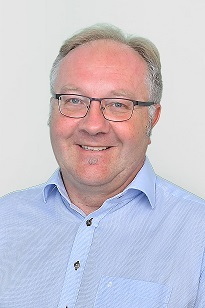
Georg Bollig
Georg Bollig—a German doctor, professor, and specialist in palliative medicine, best recognised as the founder and initiator of the international Last Aid programme.
Грамотность в отношении смерти.
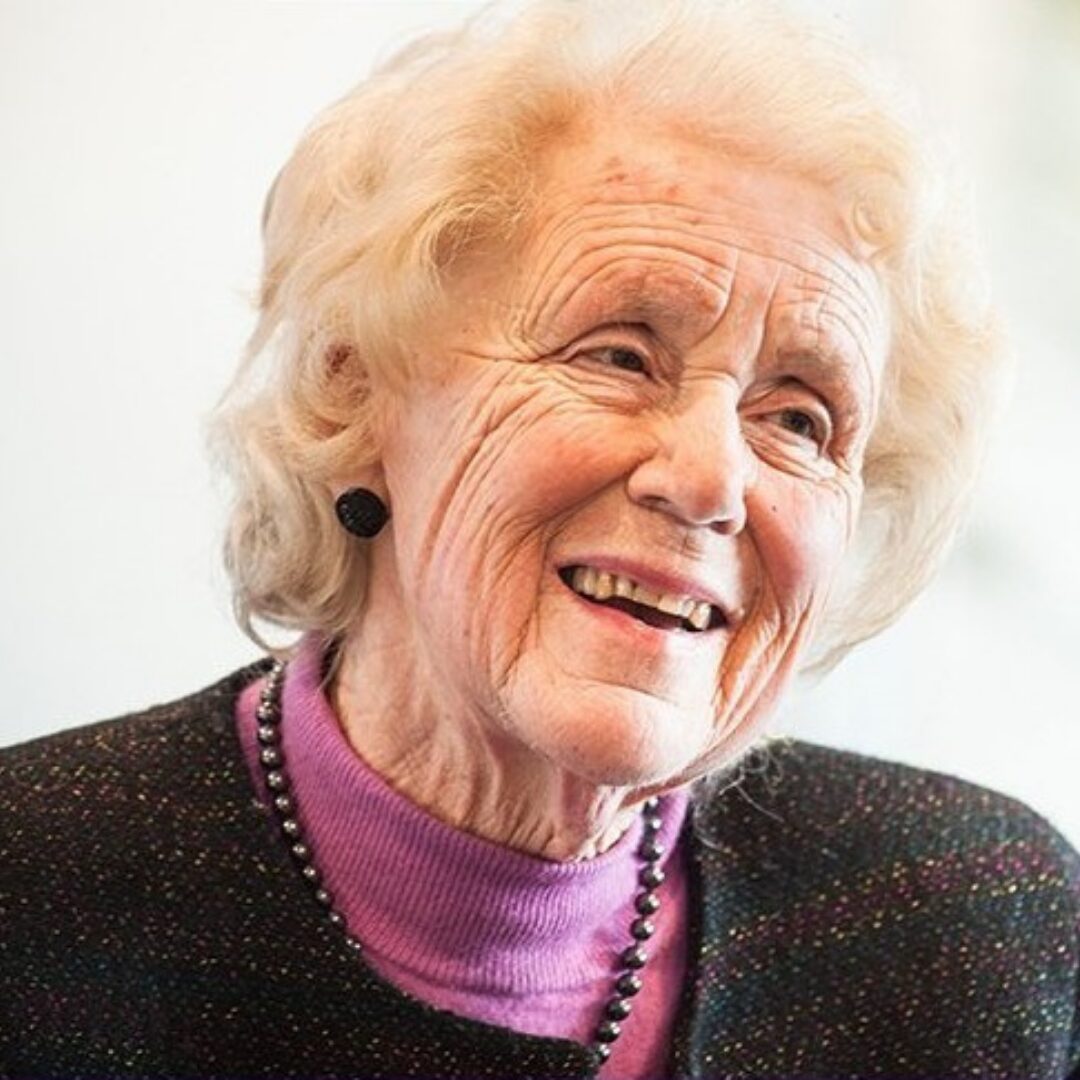
Mary Baines
Mary Jean Baines (1932–2020) was a British doctor and a notable figure in the development of modern palliative care. She worked closely with Cicely Saunders at St Christopher’s Hospice in London and played a key role in advancing home-based palliative care and educational programmes.
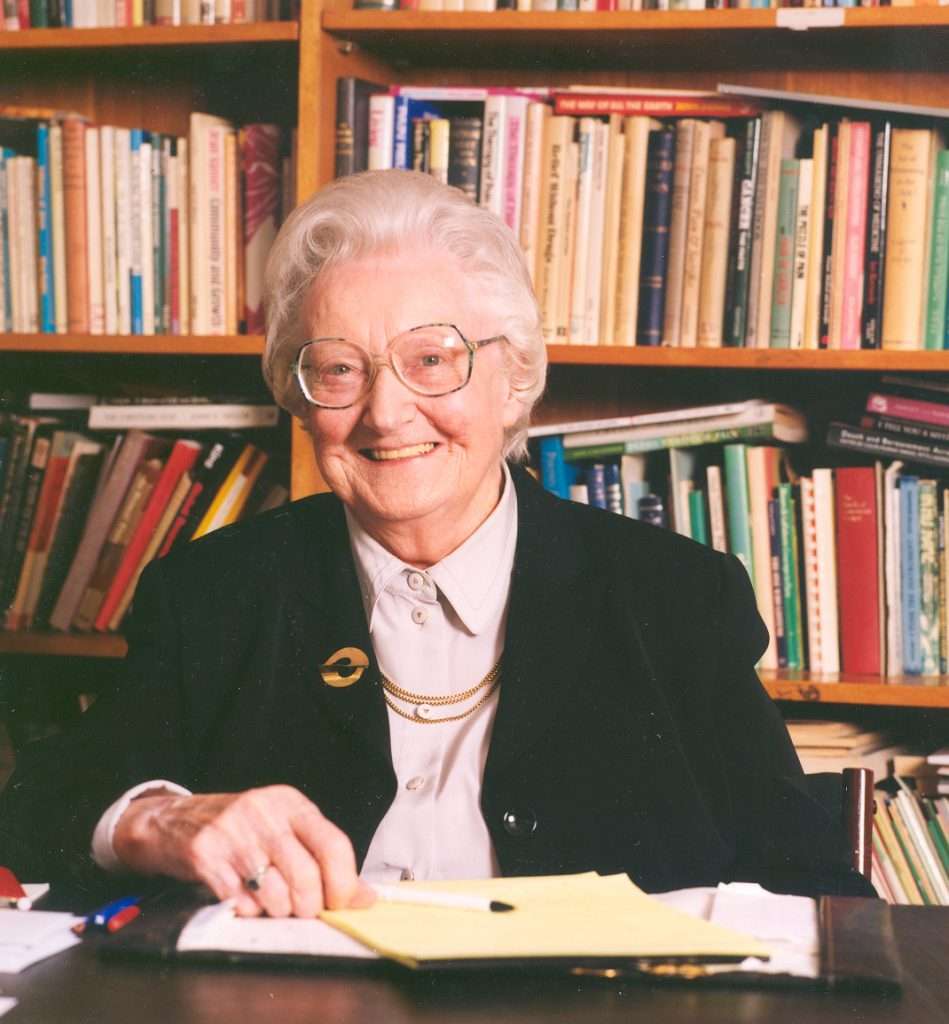
Cicely Saunders
Cicely Saunders (Dame Cicely Saunders, 1918–2005)—a British physician, nurse, and social worker; she was the founder of the modern hospice movement and a key figure in establishing palliative care as a separate discipline within medicine. In 1967, she founded St Christopher’s Hospice in London.
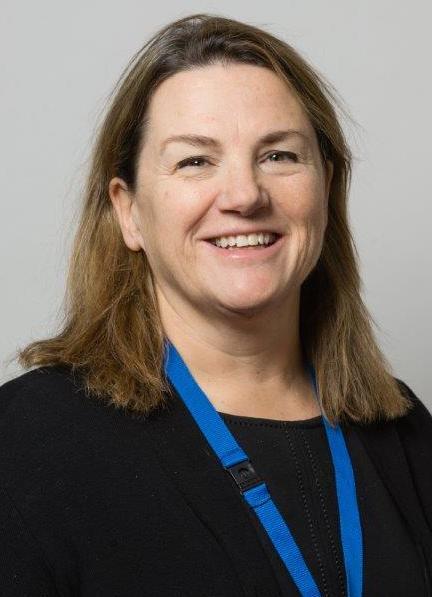
Julie Ling
Julie Ling is a renowned international expert in palliative care and nursing leadership. She has served for many years as Chief Executive Officer of the European Association for Palliative Care (EAPC) and is now a Technical Adviser for Palliative Care at the WHO Regional Office for Europe.
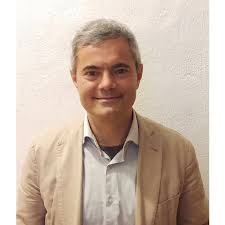
Simone Veronese
Simone Veronese—an Italian researcher specialising in palliative care and author of scientific publications focusing on palliative support for patients with neurological conditions.
Roman: How would you describe your professional journey in palliative care—from working as a nurse to leading a palliative care department at the National Oncology Centre and serving as an advisor to the Ministry of Health?
Marius: My introduction to palliative care started in Norway in 2010. At that time, I was working in community support services, assisting patients returning home after hospital stays. Many of these patients had cancer and needed palliative care. That was when I truly realised its importance. Most of these patients were going home to die, surrounded by their loved ones—this was common practice in Norway then. It had a deep impact on me, and I began to explore palliative care more thoroughly.
I enrolled in a two-year programme at the European Palliative Care Academy at the University of Cologne, organised in collaboration with King’s College and other institutions. That was where my professional journey in palliative care truly began.
While still studying, I returned to Lithuania and began working in mobile services, eventually becoming the head of a home-based palliative care department. After graduating from the Academy, I started studying Lithuanian palliative care legislation in detail and was quite outspoken in my criticism of the Ministry of Health. One day, I received a call from the Deputy Minister, who invited me to talk. She said, ‘If you think you can do better, come and work with us.’ Initially, I refused, but eventually I agreed. That is how I became an advisor to the Minister of Health on long-term care.
Marius: My introduction to palliative care started in Norway in 2010. At that time, I was working in community support services, assisting patients returning home after hospital stays. Many of these patients had cancer and needed palliative care. That was when I truly realised its importance. Most of these patients were going home to die, surrounded by their loved ones—this was common practice in Norway then. It had a deep impact on me, and I began to explore palliative care more thoroughly.
I enrolled in a two-year programme at the European Palliative Care Academy at the University of Cologne, organised in collaboration with King’s College and other institutions. That was where my professional journey in palliative care truly began.
While still studying, I returned to Lithuania and began working in mobile services, eventually becoming the head of a home-based palliative care department. After graduating from the Academy, I started studying Lithuanian palliative care legislation in detail and was quite outspoken in my criticism of the Ministry of Health. One day, I received a call from the Deputy Minister, who invited me to talk. She said, ‘If you think you can do better, come and work with us.’ Initially, I refused, but eventually I agreed. That is how I became an advisor to the Minister of Health on long-term care.
In Lithuania, palliative care is officially integrated into the long-term care system.
I have my doubts about this, but that is how the system is currently set up.
During my work, I observed that many palliative care patients had cognitive and neurodegenerative conditions. This piqued my interest, and on the recommendation of colleagues, I applied for a one-year programme in brain health at the Global Brain Health Institute at Trinity College Dublin. I was unsure about being accepted—COVID had just started, it was in a different country, and the competition was tough. Nevertheless, I secured funding, passed the selection process, and completed the programme. Ultimately, I realised my professional focus was on palliative care for oncology patients rather than work related to neurodegenerative and cognitive disorders.
After leaving the Ministry, I spent some time consulting for private companies. Later, I received a call from the National Oncology Centre, which was establishing a new palliative care department and was seeking someone with experience in both oncology and palliative care. That is how I came to my current position.
Roman: So, is your advice to colleagues in other countries: if you want to become a ministerial advisor, start by criticising the Ministry of Health?
Marius: Criticism is one thing. What truly counts is that it offers concrete evidence and proposals.
During my work, I observed that many palliative care patients had cognitive and neurodegenerative conditions. This piqued my interest, and on the recommendation of colleagues, I applied for a one-year programme in brain health at the Global Brain Health Institute at Trinity College Dublin. I was unsure about being accepted—COVID had just started, it was in a different country, and the competition was tough. Nevertheless, I secured funding, passed the selection process, and completed the programme. Ultimately, I realised my professional focus was on palliative care for oncology patients rather than work related to neurodegenerative and cognitive disorders.
After leaving the Ministry, I spent some time consulting for private companies. Later, I received a call from the National Oncology Centre, which was establishing a new palliative care department and was seeking someone with experience in both oncology and palliative care. That is how I came to my current position.
Roman: So, is your advice to colleagues in other countries: if you want to become a ministerial advisor, start by criticising the Ministry of Health?
Marius: Criticism is one thing. What truly counts is that it offers concrete evidence and proposals.
Merely stating that something is being done incorrectly is not enough—you must demonstrate how it can be improved. That is when it becomes evident that a person possesses the knowledge and capacity to instigate genuine change.

Marius Čiurlionis / Photo from a personal Facebook profile
Roman: Was there a particular turning point that led you to shift from home-based care to working on systemic change? Or was it a gradual, organic process?
Marius: It was quite natural. I started working on legislation while still managing a home-based care department—back in 2016. I was invited several times to the Ministry of Health to join meetings and working groups. Eventually, I found myself sitting on the other side of the table. That was all. There was no sudden or extraordinary turning point.
What truly marked a turning point was the adoption and implementation of Lithuania’s national long-term care policy. This policy aimed to integrate health and social care, enhance the quality and accessibility of home care, day care, and inpatient services for individuals with long-term needs—including palliative care. The sector also received significant funding.
At that stage, we were doing a lot of work—not only on legislation but also on learning from other regions' experiences. We travelled extensively, mainly to Scandinavian countries. In the Baltic states, there is a tendency to look towards Scandinavia for role models. For example, Estonia has been largely adopting the Finnish model, but on a smaller scale.
Marius: It was quite natural. I started working on legislation while still managing a home-based care department—back in 2016. I was invited several times to the Ministry of Health to join meetings and working groups. Eventually, I found myself sitting on the other side of the table. That was all. There was no sudden or extraordinary turning point.
What truly marked a turning point was the adoption and implementation of Lithuania’s national long-term care policy. This policy aimed to integrate health and social care, enhance the quality and accessibility of home care, day care, and inpatient services for individuals with long-term needs—including palliative care. The sector also received significant funding.
At that stage, we were doing a lot of work—not only on legislation but also on learning from other regions' experiences. We travelled extensively, mainly to Scandinavian countries. In the Baltic states, there is a tendency to look towards Scandinavia for role models. For example, Estonia has been largely adopting the Finnish model, but on a smaller scale.
We visited Norway and Sweden to observe how services and infrastructure were arranged, how funding mechanisms operated, and how these models could be tailored to our own legal framework.
For me, this work marked a significant turning point in my career. Up to that point, I knew the system as a practitioner, but I did not fully grasp it from the perspective of organisation and financing.
We started developing new quality standards for Lithuania. For example, it was previously common for long-term care facilities to house 3 or 4 people in a single room. And this was not only the case in palliative care but across the entire system. After collaborating with colleagues in Scandinavia, we gained a clearer understanding of what suitable infrastructure should look like, how many professionals are necessary, and how to organise the care environment for people with serious illnesses. It is crucial to base your actions not just on reading and analysis but on genuine understanding.
We started developing new quality standards for Lithuania. For example, it was previously common for long-term care facilities to house 3 or 4 people in a single room. And this was not only the case in palliative care but across the entire system. After collaborating with colleagues in Scandinavia, we gained a clearer understanding of what suitable infrastructure should look like, how many professionals are necessary, and how to organise the care environment for people with serious illnesses. It is crucial to base your actions not just on reading and analysis but on genuine understanding.
You should always question why you are doing something in the first place. This is how you cultivate a much deeper understanding of how a system should operate.
And once you reach that level of understanding, it no longer matters which country you are referring to—Lithuania, the United Kingdom, India, or the Philippines. The fundamental principles are the same everywhere.
Roman: You’ve mentioned adopting the long-term care strategy as a key milestone. What other important achievements or turning points would you highlight in recent years within the fields of long-term care, palliative care, or oncology in Lithuania?
Marius: One of the most notable achievements has been changing the principle of access to palliative care. Previously, access to palliative care in Lithuania was strictly linked to ICD codes: if a patient had a specific diagnosis, they were entitled to palliative care. We succeeded in moving away from this approach and shifting the focus to evaluating the patient’s actual condition rather than a formal diagnosis.
This facilitated the successful introduction of early palliative care. Previously, palliative care was mainly regarded as end-of-life support. Now, we can offer palliative care at earlier stages and combine it with active treatments, such as chemotherapy, radiotherapy, and immunotherapy.
Roman: You’ve mentioned adopting the long-term care strategy as a key milestone. What other important achievements or turning points would you highlight in recent years within the fields of long-term care, palliative care, or oncology in Lithuania?
Marius: One of the most notable achievements has been changing the principle of access to palliative care. Previously, access to palliative care in Lithuania was strictly linked to ICD codes: if a patient had a specific diagnosis, they were entitled to palliative care. We succeeded in moving away from this approach and shifting the focus to evaluating the patient’s actual condition rather than a formal diagnosis.
This facilitated the successful introduction of early palliative care. Previously, palliative care was mainly regarded as end-of-life support. Now, we can offer palliative care at earlier stages and combine it with active treatments, such as chemotherapy, radiotherapy, and immunotherapy.
Today in Lithuania, individuals have the right to receive chemotherapy and palliative care simultaneously for symptom management.
They may recover, go into remission, and no longer need palliative care—and that is a positive outcome. In my view, this is one of our most important achievements.

Marius Čiurlionis / Photo from a personal Facebook profile
The second major focus has been organising inpatient palliative care. Previously, palliative care beds were located in nursing homes, usually one or two per facility. There were only two or three hospices in the entire country, which did not meet the actual demand. We realised that this model was inefficient. In a single municipality, there could be five to seven institutions with only a few palliative beds each, and doctors had to constantly move between them. Knowledge and expertise were fragmented.
We amended the legislation and mandated that every municipality have at least one inpatient palliative care unit with 8 to 16 beds.
Funding was provided at the national level, with municipalities responsible for choosing the institution to host the unit. The main requirement was modern infrastructure: single rooms, private bathrooms, family spaces, and facilities to keep relatives close. This marked the beginning of our systematic capacity-building efforts.
The next vital step was developing home-based palliative care teams. Home medical services have been available in all municipalities across Lithuania since 2018–2019. Every primary healthcare provider is legally required to have a contract with a home care service provider, without exception. We adopted the same principle for palliative care. A mobile medical team consists of a nurse, a nursing assistant, a physiotherapist, and an occupational therapist. We also included a physician, a psychologist, and a social worker as mandatory members of the palliative care team.
To work in a palliative care team in Lithuania, all professionals must complete mandatory training: a one-week course plus practical training. This applies to all disciplines. Physicians must complete additional programmes, including 200 hours focused on pain management, while nurses must complete an additional 36 hours if they aim to work in pain management.
As a result, we ensured nationwide access to palliative care. In small municipalities with populations of around 3,000 people, it does not make sense to establish a separate team, so one team may serve two or three municipalities. However, in every municipality, it is clear where patients should be referred and where help can be found.
Roman: Is this sufficient to claim that Lithuania now possesses a well-developed palliative care system, or are there still gaps that require attention?
Marius: ‘Sufficient’ is rarely enough, especially in larger cities. People continue to relocate from smaller towns to bigger cities—mainly younger generations—and they often bring their parents along. Consequently, in Vilnius, Kaunas, and other major cities, there are not always enough palliative care beds.
We do have home-based care, which is fully funded by the state and available to everyone who pays taxes, regardless of how long or how intensively they need it. Mobile palliative care teams operate from morning until evening. Night visits are not yet in place, but we have already received recommendations from the Ministry of Health on organising night-time mobile teams, and I believe this will eventually become mandatory.
The next vital step was developing home-based palliative care teams. Home medical services have been available in all municipalities across Lithuania since 2018–2019. Every primary healthcare provider is legally required to have a contract with a home care service provider, without exception. We adopted the same principle for palliative care. A mobile medical team consists of a nurse, a nursing assistant, a physiotherapist, and an occupational therapist. We also included a physician, a psychologist, and a social worker as mandatory members of the palliative care team.
To work in a palliative care team in Lithuania, all professionals must complete mandatory training: a one-week course plus practical training. This applies to all disciplines. Physicians must complete additional programmes, including 200 hours focused on pain management, while nurses must complete an additional 36 hours if they aim to work in pain management.
As a result, we ensured nationwide access to palliative care. In small municipalities with populations of around 3,000 people, it does not make sense to establish a separate team, so one team may serve two or three municipalities. However, in every municipality, it is clear where patients should be referred and where help can be found.
Roman: Is this sufficient to claim that Lithuania now possesses a well-developed palliative care system, or are there still gaps that require attention?
Marius: ‘Sufficient’ is rarely enough, especially in larger cities. People continue to relocate from smaller towns to bigger cities—mainly younger generations—and they often bring their parents along. Consequently, in Vilnius, Kaunas, and other major cities, there are not always enough palliative care beds.
We do have home-based care, which is fully funded by the state and available to everyone who pays taxes, regardless of how long or how intensively they need it. Mobile palliative care teams operate from morning until evening. Night visits are not yet in place, but we have already received recommendations from the Ministry of Health on organising night-time mobile teams, and I believe this will eventually become mandatory.
The real challenge is elsewhere. Many individuals—particularly those employed outside the home—still believe that it is ‘safer’ for their loved ones to be in an institution.
I'm unsure where this perception originates. It might stem from fear of the dying process or difficulty in accepting what is happening. People feel afraid, and as a result, they opt for institutional care—even though we have both the capacity and the resources to deliver high-quality care at home. This increases demand for inpatient beds, which then become inadequate. However, this is not the path we should be pursuing.
Instead of endlessly expanding the number of facilities and beds, we need to invest seriously in public education. We have professionals. We have a functioning system. Now, people need to learn to trust it.
Of course, we also need to keep developing home-based care, especially by strengthening the nursing workforce. Doctors are important for adjusting treatments and managing symptoms, but it is the nurse who provides daily care, who is present, and who observes the patient and family over time. This is a key factor.
Another significant challenge is persuading the National Health Insurance Fund to cover nighttime visits. This is a tough discussion. Insurance organisations tend to focus only on immediate costs and estimate how many millions of nights' visits will be needed. They overlook how much money can be saved by preventing emergency department visits at night, where palliative patients undergo unnecessary tests at the expense of the insurance system. For politicians, it is simpler today to concentrate on the figures in a spreadsheet. The fact that these investments could pay off in two or three years is often seen as irrelevant—by then, they might no longer be in office. Nonetheless, we are heading in the right direction. Slowly, but progress is being made.
Roman: Is my understanding correct that palliative care in Lithuania is completely funded and provided by the state?
Marius: There are private providers, but they operate within the national system. They deliver the same services, adhere to the same standards, and receive the same funding conditions. They do not charge patients any extra fees. Occasionally, a local provider or a municipal structure might opt not to deliver these services, and in such cases, the service is transferred to a private provider. However, for the patient, there is no difference. Only the provider changes, while the service itself, its quality, and its funding stay the same.
Roman: How is palliative care education structured? What is the ‘typical pathway’ to becoming a certified physician or nurse in palliative care?
Marius: Palliative care is included in the curricula of medical and nursing education in Lithuania, so students receive basic training already at university. After that, they are required to complete additional palliative care courses that last one week, or 36 hours. There is also a requirement to regularly update this knowledge with a further 8 hours at specified intervals.
We are currently considering increasing the mandatory training to approximately 100 hours—about a month’s duration. For specialised pain education, nurses need to complete an extra 36 hours, while physicians must undertake an additional 200 hours. At present, there is no master’s or doctoral programme specifically dedicated to palliative care in Lithuania.
Another significant challenge is persuading the National Health Insurance Fund to cover nighttime visits. This is a tough discussion. Insurance organisations tend to focus only on immediate costs and estimate how many millions of nights' visits will be needed. They overlook how much money can be saved by preventing emergency department visits at night, where palliative patients undergo unnecessary tests at the expense of the insurance system. For politicians, it is simpler today to concentrate on the figures in a spreadsheet. The fact that these investments could pay off in two or three years is often seen as irrelevant—by then, they might no longer be in office. Nonetheless, we are heading in the right direction. Slowly, but progress is being made.
Roman: Is my understanding correct that palliative care in Lithuania is completely funded and provided by the state?
Marius: There are private providers, but they operate within the national system. They deliver the same services, adhere to the same standards, and receive the same funding conditions. They do not charge patients any extra fees. Occasionally, a local provider or a municipal structure might opt not to deliver these services, and in such cases, the service is transferred to a private provider. However, for the patient, there is no difference. Only the provider changes, while the service itself, its quality, and its funding stay the same.
Roman: How is palliative care education structured? What is the ‘typical pathway’ to becoming a certified physician or nurse in palliative care?
Marius: Palliative care is included in the curricula of medical and nursing education in Lithuania, so students receive basic training already at university. After that, they are required to complete additional palliative care courses that last one week, or 36 hours. There is also a requirement to regularly update this knowledge with a further 8 hours at specified intervals.
We are currently considering increasing the mandatory training to approximately 100 hours—about a month’s duration. For specialised pain education, nurses need to complete an extra 36 hours, while physicians must undertake an additional 200 hours. At present, there is no master’s or doctoral programme specifically dedicated to palliative care in Lithuania.
However, we are creating a separate master’s programme for advanced practice nurses in oncology and palliative care, which we intend to launch in September 2026.

Marius Čiurlionis / Photo from a personal Facebook profile
Roman: We understand you teach at a university. In your opinion, how can young people be encouraged to enter such a demanding field—and what keeps them there? What drives their motivation?
Marius: I often ask future healthcare professionals where they would like to work in their first years after graduation. Many say intensive care units because there is a lot of equipment to learn from. Then I take them to the palliative care department of a university hospital, and they see that it has the same equipment, but the atmosphere is much calmer. The struggle is to provide comfort as much as to save lives. Many then realise that a palliative care department can be a very positive and supportive working environment, with a strong team, experienced doctors, and skilled nurses. Sometimes, just a few hours are enough for a student to decide to pursue a career in palliative care.
In Lithuania, nursing students can begin working as nursing assistants as early as their second year of studies. We employ them, and many of them remain in the department.
There are also individuals who prefer not to be confined to a hospital setting. In such cases, we introduce them to mobile palliative care services. This work is dynamic—each day brings new people and situations—and many find that this is where they want to be.
Marius: I often ask future healthcare professionals where they would like to work in their first years after graduation. Many say intensive care units because there is a lot of equipment to learn from. Then I take them to the palliative care department of a university hospital, and they see that it has the same equipment, but the atmosphere is much calmer. The struggle is to provide comfort as much as to save lives. Many then realise that a palliative care department can be a very positive and supportive working environment, with a strong team, experienced doctors, and skilled nurses. Sometimes, just a few hours are enough for a student to decide to pursue a career in palliative care.
In Lithuania, nursing students can begin working as nursing assistants as early as their second year of studies. We employ them, and many of them remain in the department.
There are also individuals who prefer not to be confined to a hospital setting. In such cases, we introduce them to mobile palliative care services. This work is dynamic—each day brings new people and situations—and many find that this is where they want to be.
I believe much depends on how you present the profession. Yes, palliative care is emotionally demanding. But if you emphasise its strengths and focus on its positives, people will choose the palliative care career pathway.
Many young professionals are attracted to home-based palliative care because independence matters to them. In Lithuania, a nurse manages their own patient list. For example, you might have 50 patients and decide when and whom to visit. The main condition is that care is provided punctually. This level of autonomy is very motivating.
Interestingly, we do not experience a shortage of nurses in mobile services—neither in the capital nor in rural areas. The shortages are more apparent in inpatient facilities and nursing homes.
Another observation is that people who have experienced serious illness within their family are often more willing to work in palliative care, provided enough time has passed. There was a case of a woman who had worked in food delivery; after her husband died of cancer, she decided to train as a nurse to work with palliative care patients. These stories are uncommon but powerful. And when someone shares such an experience in a classroom, it can be deeply inspiring to others.
Roman: Is there adequate access to opioids in Lithuania? Are professionals in both mobile teams and inpatient facilities permitted to prescribe them? How does this operate in practice?
Marius: Primary care physicians can both continue prescriptions started in university hospitals and make their own prescribing choices. Palliative care physicians, of course, are fully authorised to prescribe opioids.
However, when we look at opioid consumption data, we are still lagging behind. There are ongoing fears, stigma, and misperceptions. I would suggest this is more common among older generations of doctors and in rural areas. If you examine prescribing maps, you can clearly see that opioids are prescribed less frequently in remote regions, most likely due to fears of addiction.
That is exactly why we place such a strong emphasis on education. Every year, we organise the Baltic Conference on Palliative Care, where we consistently discuss opioid prescribing, medication use, fentanyl patches, and related topics.
Overall, access to opioids in Lithuania aligns with typical European standards for palliative care.
Interestingly, we do not experience a shortage of nurses in mobile services—neither in the capital nor in rural areas. The shortages are more apparent in inpatient facilities and nursing homes.
Another observation is that people who have experienced serious illness within their family are often more willing to work in palliative care, provided enough time has passed. There was a case of a woman who had worked in food delivery; after her husband died of cancer, she decided to train as a nurse to work with palliative care patients. These stories are uncommon but powerful. And when someone shares such an experience in a classroom, it can be deeply inspiring to others.
Roman: Is there adequate access to opioids in Lithuania? Are professionals in both mobile teams and inpatient facilities permitted to prescribe them? How does this operate in practice?
Marius: Primary care physicians can both continue prescriptions started in university hospitals and make their own prescribing choices. Palliative care physicians, of course, are fully authorised to prescribe opioids.
However, when we look at opioid consumption data, we are still lagging behind. There are ongoing fears, stigma, and misperceptions. I would suggest this is more common among older generations of doctors and in rural areas. If you examine prescribing maps, you can clearly see that opioids are prescribed less frequently in remote regions, most likely due to fears of addiction.
That is exactly why we place such a strong emphasis on education. Every year, we organise the Baltic Conference on Palliative Care, where we consistently discuss opioid prescribing, medication use, fentanyl patches, and related topics.
Overall, access to opioids in Lithuania aligns with typical European standards for palliative care.
I want to emphasise that the issue is not availability. Even in a small pharmacy in a small town, you will find morphine and fentanyl patches. The real problem lies in physicians’ fear of ‘giving too much’.
Sometimes I think this might be one of the reasons why families are hesitant to care for patients at home: if a local doctor prescribes inadequate pain relief, the patient suffers. In hospital settings, symptom management is usually much more effective.
We also run an excellent course in collaboration with Georg Bollig, one of the founders of the international Last Aid initiative. This initiative promotes the concept of ‘last aid’—teaching society how to care for dying people, much like how first aid teaches how to care for the living. The course consists of four 45-minute modules. It covers topics from spiritual care and nutrition to the physical symptoms of dying. The course is free and aimed at the general public. There is a version designed for children, delivered in schools and nurseries, and a version for adults—targeted at firefighters, students, and anyone interested. Currently, more than 200 people in Lithuania have completed the course. I believe this is a very significant contribution to enhancing death literacy within society.
Roman: How do you handle such a demanding workload? Where do you source resources, support, and inspiration?
Marius: Honestly, I don’t really believe in stories about perfectly balanced lives combined with successful careers. That is quite rare. I am deeply passionate about palliative care. When I work on projects, I often come home at 11 p.m. or even midnight—that is just how it happens. I never really reflected on this until you asked the question. From the outside, one might say that I sacrifice my personal life. But I have never experienced it as a sacrifice or felt unhappy about it.
I once knew a professor from Kaunas who published one or two books on palliative care each year. That was remarkable. He had no family, no children, not even a dog, but he was fully dedicated to his work. I believe it was more than just a job for him; it was his passion. When you find something you truly love and going to work doesn't feel like a burden, then you know you are in the right place. I know many doctors who stay with their patients beyond working hours and even after retirement.
We also run an excellent course in collaboration with Georg Bollig, one of the founders of the international Last Aid initiative. This initiative promotes the concept of ‘last aid’—teaching society how to care for dying people, much like how first aid teaches how to care for the living. The course consists of four 45-minute modules. It covers topics from spiritual care and nutrition to the physical symptoms of dying. The course is free and aimed at the general public. There is a version designed for children, delivered in schools and nurseries, and a version for adults—targeted at firefighters, students, and anyone interested. Currently, more than 200 people in Lithuania have completed the course. I believe this is a very significant contribution to enhancing death literacy within society.
Roman: How do you handle such a demanding workload? Where do you source resources, support, and inspiration?
Marius: Honestly, I don’t really believe in stories about perfectly balanced lives combined with successful careers. That is quite rare. I am deeply passionate about palliative care. When I work on projects, I often come home at 11 p.m. or even midnight—that is just how it happens. I never really reflected on this until you asked the question. From the outside, one might say that I sacrifice my personal life. But I have never experienced it as a sacrifice or felt unhappy about it.
I once knew a professor from Kaunas who published one or two books on palliative care each year. That was remarkable. He had no family, no children, not even a dog, but he was fully dedicated to his work. I believe it was more than just a job for him; it was his passion. When you find something you truly love and going to work doesn't feel like a burden, then you know you are in the right place. I know many doctors who stay with their patients beyond working hours and even after retirement.

Marius Čiurlionis of the Faculty of Medicine at Vilnius University and Natalja Istomina in Moldova / Photo from a personal Facebook profile
Roman: Now we have a quickfire round. Short questions—short answers.
Question 1: What does palliative care mean to you?
Marius: Oh, that’s a tricky one... I’ve even forgotten the English word for it. You know, a star in the sky that shows the way. A guiding star—that is what palliative care means to me.
Question 2: Are you afraid of dying?
Marius: Of course I am. It’s very human and natural.
Question 3: What does Lithuania signify to you?
Marius: Everything. Even if infrastructure or other aspects might be superior abroad, home still revolves around society—friends, family, human connections.
And there is one more thing I find important. Our generation—I mean both you and me—grew up ‘in the old days’: we played outside, rode bicycles, and climbed trees. But at the same time, we became the first generation to learn how to live with modern technology. There is enormous potential in this transition, and for us, it is natural to be part of change.
I don’t want to be part of a change in another country. I enjoy travelling; I love seeing the world, but I genuinely want to help bring about change in my own country, in my own society.
Question 4: Is there a book, film, or person that has had the greatest influence on your understanding of care and compassion?
Marius: That’s a very good question. I couldn’t name just one person, as there were many. I had the privilege of attending a lecture by Mary Baines while she was still alive, and it left a very strong impression on me.
Unfortunately, I never met Cicely Saunders in person. She passed away five years before I arrived in the UK.
I am proud to call Julie Ling my mentor. I learned a great deal from her about leadership, management, and working with the palliative care professional community. She is truly remarkable.
I should also mention a colleague I continue to work closely with—a brilliant palliative care specialist from Italy, Simone Veronese.
And if I am completely honest, my greatest source of strength has always been my patients. Their resilience and their desire to live until the very end help me stay grounded and keep believing in what I do.
Question 1: What does palliative care mean to you?
Marius: Oh, that’s a tricky one... I’ve even forgotten the English word for it. You know, a star in the sky that shows the way. A guiding star—that is what palliative care means to me.
Question 2: Are you afraid of dying?
Marius: Of course I am. It’s very human and natural.
Question 3: What does Lithuania signify to you?
Marius: Everything. Even if infrastructure or other aspects might be superior abroad, home still revolves around society—friends, family, human connections.
And there is one more thing I find important. Our generation—I mean both you and me—grew up ‘in the old days’: we played outside, rode bicycles, and climbed trees. But at the same time, we became the first generation to learn how to live with modern technology. There is enormous potential in this transition, and for us, it is natural to be part of change.
I don’t want to be part of a change in another country. I enjoy travelling; I love seeing the world, but I genuinely want to help bring about change in my own country, in my own society.
Question 4: Is there a book, film, or person that has had the greatest influence on your understanding of care and compassion?
Marius: That’s a very good question. I couldn’t name just one person, as there were many. I had the privilege of attending a lecture by Mary Baines while she was still alive, and it left a very strong impression on me.
Unfortunately, I never met Cicely Saunders in person. She passed away five years before I arrived in the UK.
I am proud to call Julie Ling my mentor. I learned a great deal from her about leadership, management, and working with the palliative care professional community. She is truly remarkable.
I should also mention a colleague I continue to work closely with—a brilliant palliative care specialist from Italy, Simone Veronese.
And if I am completely honest, my greatest source of strength has always been my patients. Their resilience and their desire to live until the very end help me stay grounded and keep believing in what I do.
I gained something from each person I met along the way.
CHANGEMAKERS