

COOKIE POLICY
What is a cookie?
A cookie is a small file of letters and numbers that we store on your browser or the hard drive of your computer if you agree. Cookies contain information that is transferred to your computer's hard drive.
What types of cookies are used?
PACED’s website uses “analytical” cookies to track how our websites are used, including what pages people visit and what country they are visiting from. We use this information to improve our website and to keep it relevant to our users’ needs.
How to control cookies?
If you do not wish to have cookies stored on your computer or other device, you can easily change your web browser’s settings to refuse cookies. Information about deleting or controlling cookies is available at www.aboutcookies.org.
By using this website you are agreeing to the terms of this cookie policy. If you have any questions about this cookie policy, please email info@paced.org.uk
What is a cookie?
A cookie is a small file of letters and numbers that we store on your browser or the hard drive of your computer if you agree. Cookies contain information that is transferred to your computer's hard drive.
What types of cookies are used?
PACED’s website uses “analytical” cookies to track how our websites are used, including what pages people visit and what country they are visiting from. We use this information to improve our website and to keep it relevant to our users’ needs.
How to control cookies?
If you do not wish to have cookies stored on your computer or other device, you can easily change your web browser’s settings to refuse cookies. Information about deleting or controlling cookies is available at www.aboutcookies.org.
By using this website you are agreeing to the terms of this cookie policy. If you have any questions about this cookie policy, please email info@paced.org.uk
‘Whatever we undertake, we do it at lightning speed’
‘Whatever we undertake, we do it at lightning speed’
Kristiāns Dāvis / Photo from personal archive
Kristiāns Dāvis is a medical doctor, former vascular surgery resident, and founder of Magnum Social Medical Care (Rūre), Latvia’s private provider of integrated medical and social care services. Recognising a critical shortage of palliative and nursing care during his hospital residency, Kristiāns stepped away from practice to build a new care model from the ground up. Today, Rūre operates inpatient hospice and rehabilitation clinics, day-care centres, and mobile teams that provide roughly 75% of all home palliative care across Latvia.
In this new interview in the Changemakers series, Kristiāns speaks with Katerina Nikitina and Uliana Pavlovskaia from PACED about taking bold personal financial risks to maintain independence, scaling healthcare services at record speed, cultivating a culture of radical honesty and equality among staff, and challenging long-standing societal stereotypes surrounding elder and end-of-life care.
Читать текст на русском
In this new interview in the Changemakers series, Kristiāns speaks with Katerina Nikitina and Uliana Pavlovskaia from PACED about taking bold personal financial risks to maintain independence, scaling healthcare services at record speed, cultivating a culture of radical honesty and equality among staff, and challenging long-standing societal stereotypes surrounding elder and end-of-life care.
Читать текст на русском
Senior housing and nursing homes differ primarily in the level of medical care provided. Senior housing is designed for older adults who are independent or need only basic assistance with daily living (meals, housekeeping, activities). In contrast, nursing homes are specialised medical facilities for individuals with severe chronic conditions or disabilities, providing round-the-clock professional medical and nursing care.
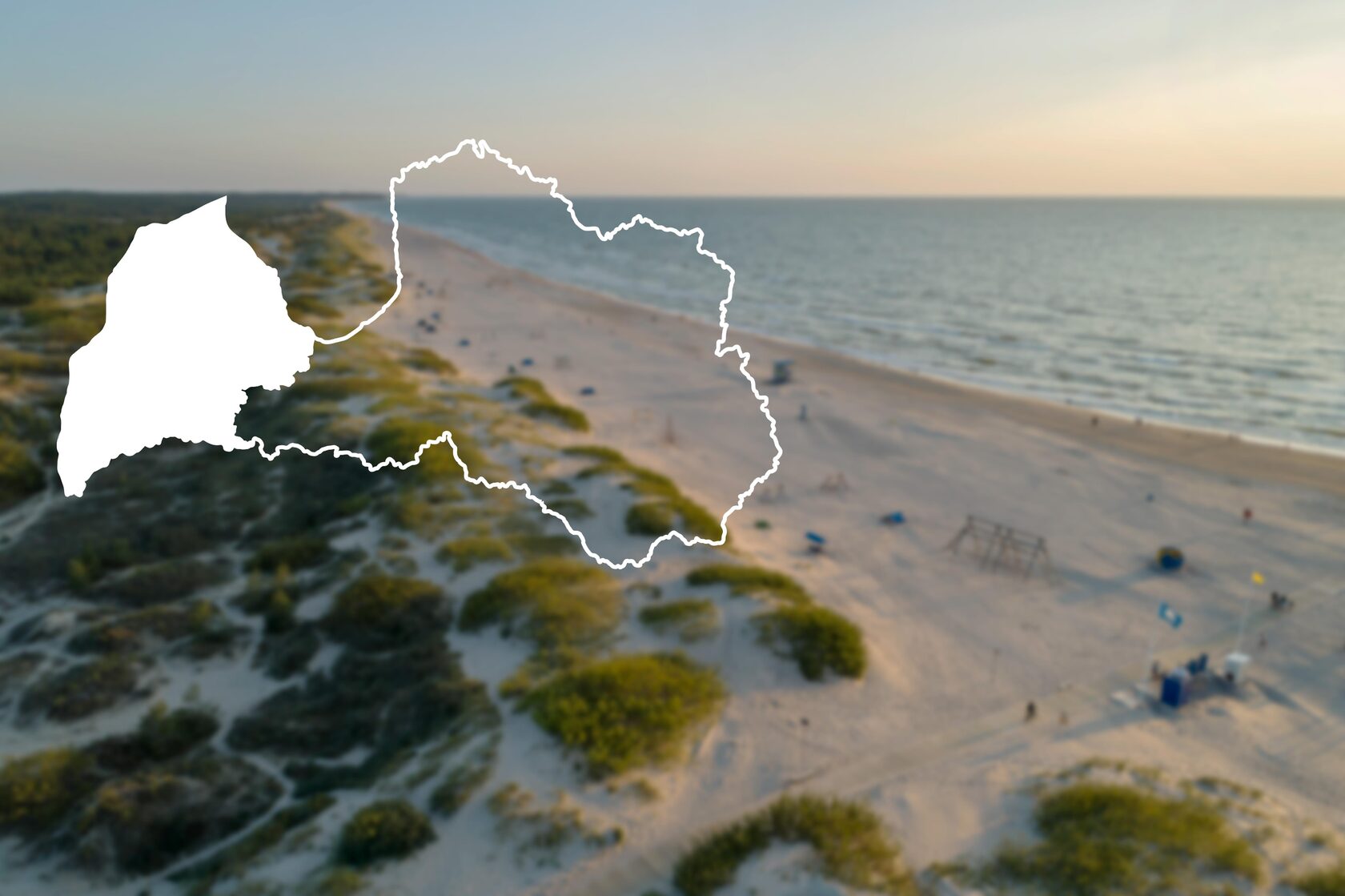
Kurzeme (Courland) — a region in western Latvia with a population of about 230,000. Its largest city is Liepāja.
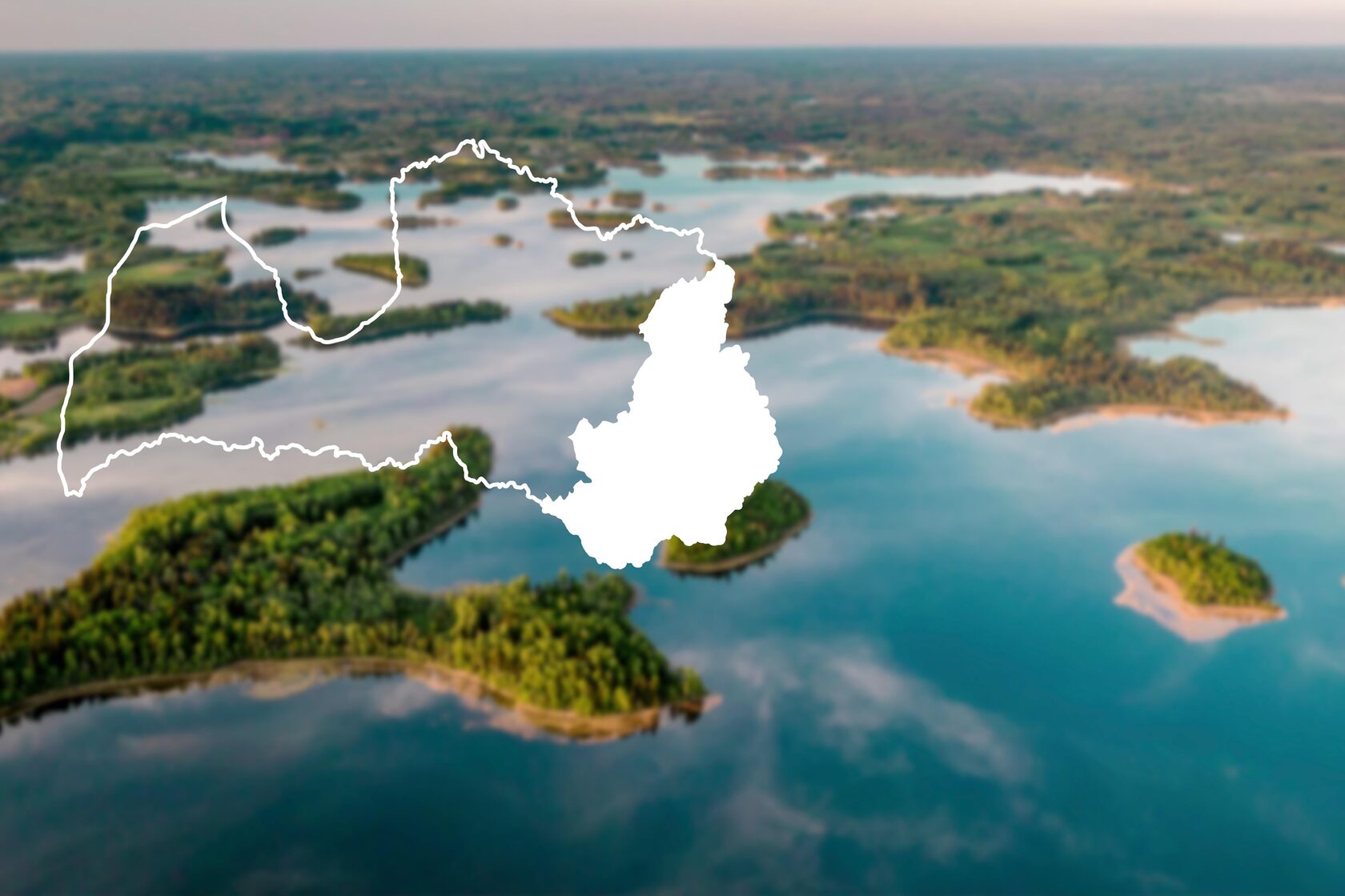
Latgale — a region in eastern Latvia with a population of approximately 240,000. Its largest city and cultural centre is Daugavpils.
Riga, the capital of Latvia, has an estimated population of 588,911.
Longevity clinic — a preventive medicine facility specialising in slowing the ageing process, reducing the risk of age-related diseases, and extending healthy lifespan through comprehensive diagnostics and advanced biotechnology.
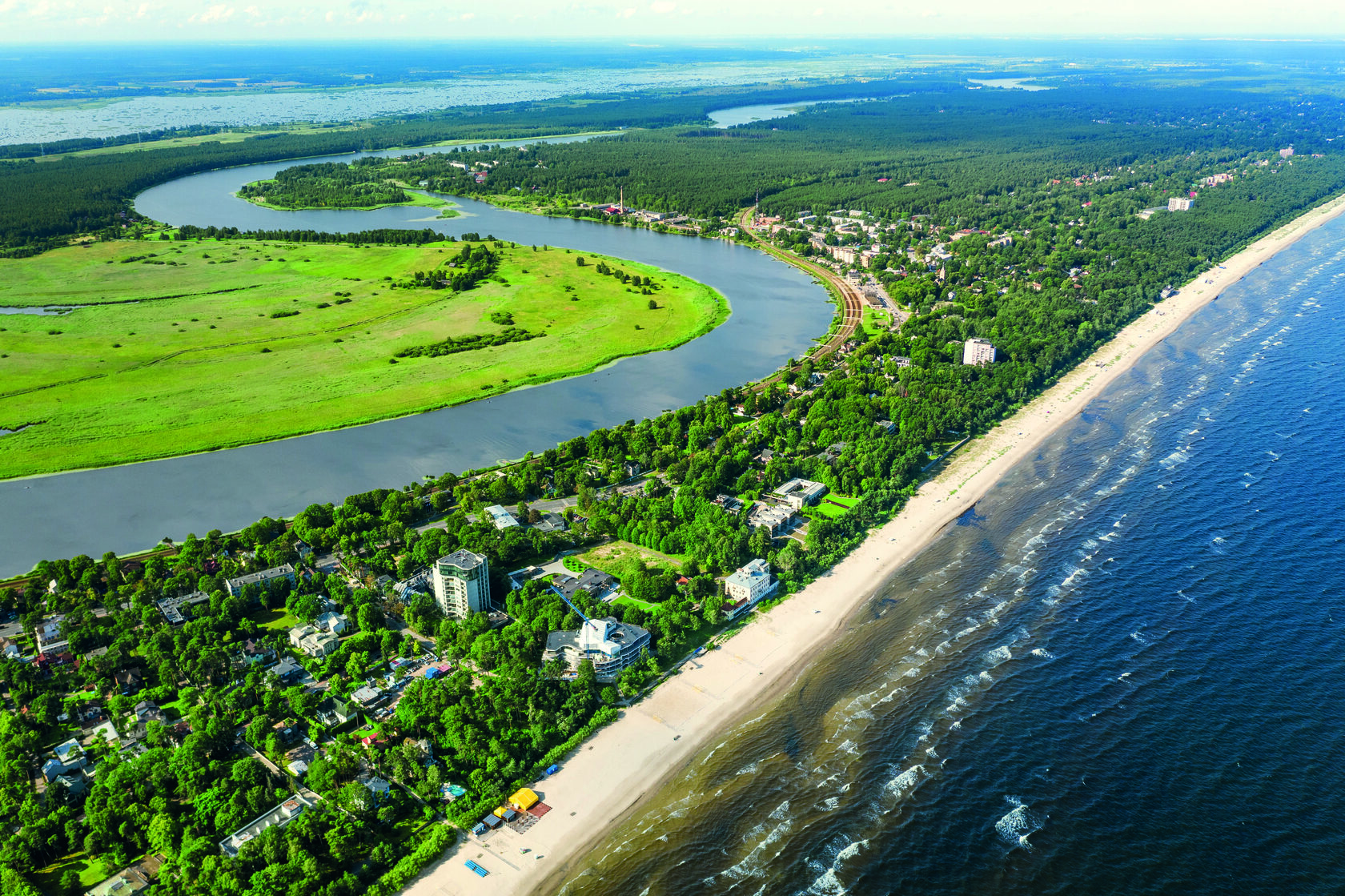
Jūrmala — a resort city in Latvia, located just west of Riga on the Gulf of Riga.
Latvia was occupied by and incorporated into the Soviet Union as the Latvian Soviet Socialist Republic (Latvian SSR) from 1940 to 1991, before the full restoration of its national independence.
Katerina: Could you please tell us about yourself and your current work? How did you come to work in palliative care?
Kristiāns: By profession and by education, I'm a doctor. I finished school, then attended the University of Latvia, where I completed 6 years of study to earn my medical degree. After that, I started my residency. I spent two years in general surgery, and at the beginning of the third year, I changed my residency speciality to vascular surgery.
I spent almost nine months in vascular surgery. While practising in general and vascular surgery, I always had the idea that I would eventually like to move into the private medical sector in Latvia. However, I wasn't quite sure what to do. I was always looking and trying to understand what would make me happy, something I would enjoy doing that would also be meaningful and necessary for our country right now.
A long time ago, a surgeon told me: ‘If you want to have a good career in medicine in Latvia, go be a proctologist, because no one wants to do it right now.’ So I took half of his advice: I started looking at areas where we had similar problems in Latvia.
During my residency at a large government hospital, patients often arrived through the emergency department with a wide range of issues. Frequently, I came into contact with terminally ill oncology patients who were brought in due to severe symptoms. Afterwards, relatives would often ask me: ‘Doctor, what do we do now? Where do we go?’ The answer was always: ‘I don't know,’ because nothing was available. The only option—and it was a very bad, worst-case scenario—was to recommend a senior care home.
Kristiāns: By profession and by education, I'm a doctor. I finished school, then attended the University of Latvia, where I completed 6 years of study to earn my medical degree. After that, I started my residency. I spent two years in general surgery, and at the beginning of the third year, I changed my residency speciality to vascular surgery.
I spent almost nine months in vascular surgery. While practising in general and vascular surgery, I always had the idea that I would eventually like to move into the private medical sector in Latvia. However, I wasn't quite sure what to do. I was always looking and trying to understand what would make me happy, something I would enjoy doing that would also be meaningful and necessary for our country right now.
A long time ago, a surgeon told me: ‘If you want to have a good career in medicine in Latvia, go be a proctologist, because no one wants to do it right now.’ So I took half of his advice: I started looking at areas where we had similar problems in Latvia.
During my residency at a large government hospital, patients often arrived through the emergency department with a wide range of issues. Frequently, I came into contact with terminally ill oncology patients who were brought in due to severe symptoms. Afterwards, relatives would often ask me: ‘Doctor, what do we do now? Where do we go?’ The answer was always: ‘I don't know,’ because nothing was available. The only option—and it was a very bad, worst-case scenario—was to recommend a senior care home.
“
Eventually, I realised there was a critical shortage of palliative care in Latvia, whether at home or in hospital. The same was true of social care centres—there was a very serious need for social care.
For example, in Western Europe and America, there are two distinct types of social services for the elderly: senior housing and nursing homes. In Latvia, we had a service called senior housing, but the residents of those facilities actually required nursing home care. So we had—and still have—a major problem when people who need nursing care live in senior housing.
That's when the idea was born: to combine social and high-level medical care into a single solution. Overall, palliative and social care faced systemic issues with no proper solutions, except for palliative care units in public hospitals. But these units simply couldn't keep up with demand.
The idea was a social care institution integrated with high-level medical support. Next, we needed a property. I started looking all around Latvia and found one in Liepāja. It was a large municipal building that had been a foster home. With very few foster children left, the remaining children were moving out, and we eventually acquired the building.
We renovated the property with substantial investment and created a social care centre with distinct departments. We offer standard senior housing with a family-like atmosphere; a nursing home department, mainly for bedridden individuals (due to age or prior trauma); and a specialised, secure dementia department providing targeted care. We also established a hospice department in the same clinic.
That's when the idea was born: to combine social and high-level medical care into a single solution. Overall, palliative and social care faced systemic issues with no proper solutions, except for palliative care units in public hospitals. But these units simply couldn't keep up with demand.
The idea was a social care institution integrated with high-level medical support. Next, we needed a property. I started looking all around Latvia and found one in Liepāja. It was a large municipal building that had been a foster home. With very few foster children left, the remaining children were moving out, and we eventually acquired the building.
We renovated the property with substantial investment and created a social care centre with distinct departments. We offer standard senior housing with a family-like atmosphere; a nursing home department, mainly for bedridden individuals (due to age or prior trauma); and a specialised, secure dementia department providing targeted care. We also established a hospice department in the same clinic.

Rūre clinic in Liepāja / Photo from the official Rūre website
“
Residents of our facility often move through the full cycle in our clinic: from senior housing
to the nursing home and,
eventually, to the hospice care centre.
to the nursing home and,
eventually, to the hospice care centre.
Additionally, we noticed that a large majority of patients arriving from hospitals to our senior housing or nursing home were recovering from strokes, myocardial infarctions, or major operations. I realised we needed a physical rehabilitation programme. Over the past five to six months, we have opened a rehabilitation department. The care baseline remains the same—mobilising patients to prevent bedsores, feeding them, and managing their medications—and physical rehabilitation is an added benefit. The same applies to our palliative and hospice care patients: with high-level, appropriately intensive physiotherapy, we can significantly improve their quality of life.

Kristiāns Dāvis / Photo from Rūre Facebook page
Katerina: So that is an inpatient service?
Kristiāns: That was only the beginning. While we were building the clinic in Liepāja, we also participated in a major government tender for a pilot project to establish home palliative care services. The tender ran alongside the clinic's construction. We drafted the service framework, detailed the proposal, and won the tender.
The pilot project ran for two years, from the end of 2021 to the end of 2023. We tested the system and reported the results to both the Ministry of Welfare and the Ministry of Health. Following this period, on 1 January 2024, the government-funded home palliative care service officially launched.
Kristiāns: That was only the beginning. While we were building the clinic in Liepāja, we also participated in a major government tender for a pilot project to establish home palliative care services. The tender ran alongside the clinic's construction. We drafted the service framework, detailed the proposal, and won the tender.
The pilot project ran for two years, from the end of 2021 to the end of 2023. We tested the system and reported the results to both the Ministry of Welfare and the Ministry of Health. Following this period, on 1 January 2024, the government-funded home palliative care service officially launched.
Uliana: You make it sound so easy, whereas it usually takes around 20 years!
Kristiāns: I know. I've gone a bit wild in recent years. (laughs)
We also have four European projects underway. In 2022, Latvia received substantial European funding to build infrastructure for family-type social care—meaning a single house with a maximum capacity of 16 beds. Initially, the project was intended exclusively for municipalities and government institutions. However, after two years of open tenders, Latvia realised the project was not progressing at full capacity.
They then opened the tender to private service providers. We participated and were approved for four projects involving these houses. We now have 12 senior housing properties almost ready. They are set to be finished in September or October, adding 200 more beds. That was our next big step.
Every room in these facilities is either a single or a double, with a shared living area, personal space, and specialised patient bathrooms. The main idea was to create an environment as close as possible to a family setting.
Simultaneously, we are building two day-care centres and two group apartment complexes for people with mental health conditions—specifically tailored for people with dementia.
We are also building the first specialised day-care and educational centre for preschool children with autism in the Kurzeme region of Western Latvia.
Additionally, in February, we opened a new clinic near the airport, specialising in mandatory aviation health checks for pilots, cabin crew, and dispatchers.
Right now, we are also constructing a new inpatient physical rehabilitation centre in Riga with 40 beds—another niche that is in extremely high demand in Latvia and severely undersupplied.
And, of course, we are also building Latvia's first longevity clinic in Jūrmala.
I think that's it for now!
Kristiāns: I know. I've gone a bit wild in recent years. (laughs)
We also have four European projects underway. In 2022, Latvia received substantial European funding to build infrastructure for family-type social care—meaning a single house with a maximum capacity of 16 beds. Initially, the project was intended exclusively for municipalities and government institutions. However, after two years of open tenders, Latvia realised the project was not progressing at full capacity.
They then opened the tender to private service providers. We participated and were approved for four projects involving these houses. We now have 12 senior housing properties almost ready. They are set to be finished in September or October, adding 200 more beds. That was our next big step.
Every room in these facilities is either a single or a double, with a shared living area, personal space, and specialised patient bathrooms. The main idea was to create an environment as close as possible to a family setting.
Simultaneously, we are building two day-care centres and two group apartment complexes for people with mental health conditions—specifically tailored for people with dementia.
We are also building the first specialised day-care and educational centre for preschool children with autism in the Kurzeme region of Western Latvia.
Additionally, in February, we opened a new clinic near the airport, specialising in mandatory aviation health checks for pilots, cabin crew, and dispatchers.
Right now, we are also constructing a new inpatient physical rehabilitation centre in Riga with 40 beds—another niche that is in extremely high demand in Latvia and severely undersupplied.
And, of course, we are also building Latvia's first longevity clinic in Jūrmala.
I think that's it for now!
The launch of construction for a new type of senior home in Višķi Parish, Augšdaugava Municipality
Photo from the official Rūre website
Katerina: Wow. That's really impressive.
Kristiāns: It's all about having a very good team.
Katerina: Totally agree! Tell us about your team and your organisation.
Kristiāns: My main company, Magnum Social Medical Care—operating under the brand name Rūre—is the parent organisation overseeing most of our projects and services. However, we also have separate entities for applying to multiple European projects.
While I'm always involved in deciding which projects we take on, I have an amazing team of professionals skilled at writing accepted proposals, ensuring we fully understand all requirements.
I also have a team of lawyers who conduct due diligence on the European projects and handle all reporting. Because these are public finances, tenders are mandatory—we cannot simply choose a contractor at random. My legal team manages all tenders. Once the tenders are finalised, a team of construction overseers manages the projects directly.
Kristiāns: It's all about having a very good team.
Katerina: Totally agree! Tell us about your team and your organisation.
Kristiāns: My main company, Magnum Social Medical Care—operating under the brand name Rūre—is the parent organisation overseeing most of our projects and services. However, we also have separate entities for applying to multiple European projects.
While I'm always involved in deciding which projects we take on, I have an amazing team of professionals skilled at writing accepted proposals, ensuring we fully understand all requirements.
I also have a team of lawyers who conduct due diligence on the European projects and handle all reporting. Because these are public finances, tenders are mandatory—we cannot simply choose a contractor at random. My legal team manages all tenders. Once the tenders are finalised, a team of construction overseers manages the projects directly.
“
I cannot say this enough.
It is all about finding the right team.
It is all about finding the right team.
Naturally, I oversee everything personally, but after years of working together, I have immense trust in my colleagues. Every project goes through distinct stages, each requiring a dedicated team. That is how we approach it.
Uliana: I would like to return to the inpatient facility in Liepāja. Is it also called Rūre?
Kristiāns: Yes.
Uliana: Is it a commercial project? Do patients pay for the services, or are they covered by insurance or by government funding? How does it work?
Kristiāns: It depends on how the patient arrives at the facility.
If a patient comes through a municipality, the standard social care funding model applies—I'm speaking about standard social care here, not palliative and hospice care per se. Under this model, the municipality takes 85% of the patient's pension and transfers it to the service provider, covering the remaining balance itself. In our hospice and palliative care units, most patients arrive through this municipal funding model.
However, municipalities have very strict eligibility criteria. For instance, if a patient has relatives, is not living alone, or does not meet a certain income threshold, the municipality will not cover their stay. In those cases, the patient or their family pays privately.
As for direct national government involvement: no, the state does not fund our inpatient palliative or hospice care. Government-funded palliative care units in Latvia exist exclusively within state hospitals—there have never been tenders for private providers of inpatient palliative care. So it is strictly either municipally funded or privately paid. Occasionally, charitable organisations or NGOs step in to cover costs for specific patients, though this is relatively rare.
So, this is mostly a commercial project, but it has deep personal value for me. Building the medical centre in Liepāja cost around 3 million EUR. To secure the bank loan, I pledged our family's most valuable property as collateral. That was an extraordinary motivator to keep going and avoid mistakes. Ultimately, it paid off.
Uliana: Just to clarify—does that mean you were the lead investor in that first facility in Liepāja?
Kristiāns: Yes.
Uliana: I would like to return to the inpatient facility in Liepāja. Is it also called Rūre?
Kristiāns: Yes.
Uliana: Is it a commercial project? Do patients pay for the services, or are they covered by insurance or by government funding? How does it work?
Kristiāns: It depends on how the patient arrives at the facility.
If a patient comes through a municipality, the standard social care funding model applies—I'm speaking about standard social care here, not palliative and hospice care per se. Under this model, the municipality takes 85% of the patient's pension and transfers it to the service provider, covering the remaining balance itself. In our hospice and palliative care units, most patients arrive through this municipal funding model.
However, municipalities have very strict eligibility criteria. For instance, if a patient has relatives, is not living alone, or does not meet a certain income threshold, the municipality will not cover their stay. In those cases, the patient or their family pays privately.
As for direct national government involvement: no, the state does not fund our inpatient palliative or hospice care. Government-funded palliative care units in Latvia exist exclusively within state hospitals—there have never been tenders for private providers of inpatient palliative care. So it is strictly either municipally funded or privately paid. Occasionally, charitable organisations or NGOs step in to cover costs for specific patients, though this is relatively rare.
So, this is mostly a commercial project, but it has deep personal value for me. Building the medical centre in Liepāja cost around 3 million EUR. To secure the bank loan, I pledged our family's most valuable property as collateral. That was an extraordinary motivator to keep going and avoid mistakes. Ultimately, it paid off.
Uliana: Just to clarify—does that mean you were the lead investor in that first facility in Liepāja?
Kristiāns: Yes.
“
I worked tirelessly and fought hard to keep the company entirely in family hands, without ceding control to external parties.
Now it is paying off: when we decide on a strategic direction, we simply execute it.
Now it is paying off: when we decide on a strategic direction, we simply execute it.
I don't have a rigid board of directors or an investment fund telling us what we can or cannot do. Whatever we undertake, we do it at lightning speed. Whether it is a day-care centre, an EU-funded project, or home palliative care, we set a target, the entire team aligns, and we go for it together.
Uliana: Still, it should have required extensive communication within government, and I can only imagine the organisational challenges you faced.
Kristiāns: I would say it was the perfect storm. The clinic in Liepāja was a vital piece of municipal infrastructure, so the project was bound to move forward anyway. At the same time, we launched our home palliative care service alongside the clinic. I still don't fully understand how I managed it all back then. I try not to overthink it.
It was a unique time, coinciding with the COVID-19 pandemic—2020 through 2022. In a way, it was a peaceful period for me. I lived in the countryside, working on building the clinic and setting up the home palliative care service. I went surfing every second or third day, lived in the forest, and had zero distractions—no noise, no social life, just work and nature.
Uliana: Still, it should have required extensive communication within government, and I can only imagine the organisational challenges you faced.
Kristiāns: I would say it was the perfect storm. The clinic in Liepāja was a vital piece of municipal infrastructure, so the project was bound to move forward anyway. At the same time, we launched our home palliative care service alongside the clinic. I still don't fully understand how I managed it all back then. I try not to overthink it.
It was a unique time, coinciding with the COVID-19 pandemic—2020 through 2022. In a way, it was a peaceful period for me. I lived in the countryside, working on building the clinic and setting up the home palliative care service. I went surfing every second or third day, lived in the forest, and had zero distractions—no noise, no social life, just work and nature.
“
I worked, ate, and surfed. That environment helped me stay deeply focused.

Kristiāns Dāvis / Photo from Rūre Facebook page
The biggest organisational challenge came at the end of 2023, when we won the tender to provide home palliative care services across half of Latvia. This required travelling across the country to recruit staff—physicians, doctors' assistants, nurses, physiotherapists, occupational therapists, psychologists, and nutritionists. We had to visit hospitals to explain how the new service worked, as nobody was familiar with it, and to walk them through the entire process.
The last quarter of 2023 was exceptionally intense, but we had a clear, structured plan: who to meet, where to go, and where to establish our regional bases. You cannot serve half a country from a single location. I had a large map of Latvia on my wall, with pins marking regional checkpoints—locations where mobile teams could refuel vehicles, restock medicines, and collect supplies.
The last quarter of 2023 was exceptionally intense, but we had a clear, structured plan: who to meet, where to go, and where to establish our regional bases. You cannot serve half a country from a single location. I had a large map of Latvia on my wall, with pins marking regional checkpoints—locations where mobile teams could refuel vehicles, restock medicines, and collect supplies.
“
We divided our territory into smaller operational zones, each covered by a dedicated mobile team.
Beyond the logistics, the main hurdle was introducing a service that virtually no one in the healthcare system had encountered. We spent substantial time educating our staff about the specifics of palliative and hospice care. It took time and immense collective effort, but we made it work.
Katerina: What do you think helped you become a leader, stay one, and empower others? Which qualities are essential?
Kristiāns: The most fundamental principle is to treat every employee as an equal. I don't care whether you are a doctor or a nursing assistant changing nappies—all workers are equally important. We have a tradition of using first names with everyone. Respecting others fosters mutual respect.
The second crucial element is encouraging open communication. Most workplace friction stems from people being too shy to voice what they think or feel, so they swallow it. I strive to maintain a culture of candour: if you have feedback, or if you think I am doing something wrong or stupid—just come and say it. I am open to constructive criticism. That mindset has allowed us to scale so quickly: we evaluate ideas objectively, not subjectively. Just because an idea is mine doesn't mean it's automatically good; I can have bad ideas, too.
When people create toxic dynamics, I respectfully let them go. It’s like a drop of petrol in a pot of honey—it spoils the whole batch. If 99% of the staff is aligned and happy, that remaining 1% can poison the entire environment. It’s not about being overly polite; it’s about absolute honesty.
Lastly, you have to lead by example and practise what you preach. Everyone in the company sees me as the first in and the last out. I am not just sitting in an office giving orders—we are all working hard, just on different tasks. Someone is providing care in the clinic, someone is securing EU grants, but everyone is hustling.
In today's world, it is rare to work on projects with such high added value. We aren't a logistics company just packing boxes with no deeper purpose.
Katerina: What do you think helped you become a leader, stay one, and empower others? Which qualities are essential?
Kristiāns: The most fundamental principle is to treat every employee as an equal. I don't care whether you are a doctor or a nursing assistant changing nappies—all workers are equally important. We have a tradition of using first names with everyone. Respecting others fosters mutual respect.
The second crucial element is encouraging open communication. Most workplace friction stems from people being too shy to voice what they think or feel, so they swallow it. I strive to maintain a culture of candour: if you have feedback, or if you think I am doing something wrong or stupid—just come and say it. I am open to constructive criticism. That mindset has allowed us to scale so quickly: we evaluate ideas objectively, not subjectively. Just because an idea is mine doesn't mean it's automatically good; I can have bad ideas, too.
When people create toxic dynamics, I respectfully let them go. It’s like a drop of petrol in a pot of honey—it spoils the whole batch. If 99% of the staff is aligned and happy, that remaining 1% can poison the entire environment. It’s not about being overly polite; it’s about absolute honesty.
Lastly, you have to lead by example and practise what you preach. Everyone in the company sees me as the first in and the last out. I am not just sitting in an office giving orders—we are all working hard, just on different tasks. Someone is providing care in the clinic, someone is securing EU grants, but everyone is hustling.
In today's world, it is rare to work on projects with such high added value. We aren't a logistics company just packing boxes with no deeper purpose.

Medical staff at Rūre clinic / Photo from Rūre Facebook page
“
Everyone on our team understands the impact we are having and the number of lives we are improving. Whether you are a clinician or an accountant, you feel part of something genuinely meaningful.
Katerina: What happens if you decide to step away? Do you feel the project would survive without you?
Kristiāns: That question gives me goosebumps! (laughs)
I’m asked this a lot, along with whether I’m building this just to sell it off to an investment fund. It has never been about flipping the business for money; it has always been about building something meaningful.
Would the company survive if I stepped down? Honestly, I believe so. Over the past three to five months, my role has shifted significantly. I still resolve high-level regulatory issues with the government, but I am no longer grinding from 5:00 AM to 9:00 PM on spreadsheets or construction details. Now I have a capable team and a dedicated person for every function.
Every day, the team grows stronger, sharper, and more decisive. If I disappeared for six months today, the company would remain in great shape. The people work with me, not for me, and they would feel a deep responsibility to preserve what we have built together.
If I disappeared completely? Well… I have a couple of colleagues in mind who would step up. At its core, what is the primary role of a leader? To make the final decision. Anyone can present data, options, and scenarios, but few want the ultimate burden of making the call and living with the consequences. That is the true challenge of leadership—every day you make decisions, and you alone carry responsibility for the outcome.
However, I do have team members who are not afraid to make decisions.
Kristiāns: That question gives me goosebumps! (laughs)
I’m asked this a lot, along with whether I’m building this just to sell it off to an investment fund. It has never been about flipping the business for money; it has always been about building something meaningful.
Would the company survive if I stepped down? Honestly, I believe so. Over the past three to five months, my role has shifted significantly. I still resolve high-level regulatory issues with the government, but I am no longer grinding from 5:00 AM to 9:00 PM on spreadsheets or construction details. Now I have a capable team and a dedicated person for every function.
Every day, the team grows stronger, sharper, and more decisive. If I disappeared for six months today, the company would remain in great shape. The people work with me, not for me, and they would feel a deep responsibility to preserve what we have built together.
If I disappeared completely? Well… I have a couple of colleagues in mind who would step up. At its core, what is the primary role of a leader? To make the final decision. Anyone can present data, options, and scenarios, but few want the ultimate burden of making the call and living with the consequences. That is the true challenge of leadership—every day you make decisions, and you alone carry responsibility for the outcome.
However, I do have team members who are not afraid to make decisions.

Kristiāns Dāvis / Photo from Rūre Facebook page
“
Over the past year, I have deliberately given people space to make choices, make mistakes, and learn from them. Otherwise, you end up micromanaging. The only person who never makes a mistake is the one who does nothing.
Uliana: Have you encountered resistance during this process—which extends far beyond developing palliative care to encompass all social services? What challenges did you face most often, whether within the professional community, among government officials, or in society at large?
Kristiāns: When I first started with this idea, many people laughed in my face. In the end, it even gave me the energy to move forward. Every person who told me I wouldn't make it only made me want it more. It’s funny how the human brain works!
When we started the social care centre in Liepāja, municipal and government officials simply didn't believe in it. There wasn't even active resistance, because there was nothing to resist—they just thought: ‘It's your money, do what you want with it.’ They simply didn't care and didn't believe it was possible. Now, of course, when we announce a new project, everyone takes us seriously.
Regarding specific services, there is a deep-seated Soviet stereotype that social care centres are for the poor and have awful conditions. That stigma is extremely hard to overcome. When building Liepāja, I ensured it was warm, cosy, and clean—with no unpleasant corridor odours. We built a high-quality facility specifically to counter that mindset.
When families are considering placing a relative in care, they often feel guilty or ashamed because of this persistent stereotype. We always invite them to visit, walk through, and see what life is really like there. Once they see it firsthand, their perspective changes completely.
As for home palliative care, another cultural nuance is that Latvians are naturally very reserved and shy.
Kristiāns: When I first started with this idea, many people laughed in my face. In the end, it even gave me the energy to move forward. Every person who told me I wouldn't make it only made me want it more. It’s funny how the human brain works!
When we started the social care centre in Liepāja, municipal and government officials simply didn't believe in it. There wasn't even active resistance, because there was nothing to resist—they just thought: ‘It's your money, do what you want with it.’ They simply didn't care and didn't believe it was possible. Now, of course, when we announce a new project, everyone takes us seriously.
Regarding specific services, there is a deep-seated Soviet stereotype that social care centres are for the poor and have awful conditions. That stigma is extremely hard to overcome. When building Liepāja, I ensured it was warm, cosy, and clean—with no unpleasant corridor odours. We built a high-quality facility specifically to counter that mindset.
When families are considering placing a relative in care, they often feel guilty or ashamed because of this persistent stereotype. We always invite them to visit, walk through, and see what life is really like there. Once they see it firsthand, their perspective changes completely.
As for home palliative care, another cultural nuance is that Latvians are naturally very reserved and shy.
Photos of Rūre clinic in Liepāja / Photo from Rūre Facebook page and the official Rūre website
“
People hesitate to reach out: ‘No, I don't want to bother anyone; I don't want to ask for help.’ But once they start receiving support, they often say: ‘My God, why didn't I call you sooner?’
Even when care is arranged, patients sometimes react with alarm when a chaplain or a psychologist is offered: ‘Am I dying? Am I crazy? Why do I need a psychologist?’ In Western countries, including the US, having a therapist is normalised, but here it can carry a stigma. When people hear ‘chaplain,’ they assume it's purely religious and that their death is imminent. Public understanding of what these support services entail remains limited.
Uliana: Are you registered as a medical institution to administer opioids and controlled medicines?
Kristiāns: Yes, absolutely. We hold medical licences in three capacities: as a home palliative care provider, as an inpatient hospice clinic in Liepāja, and—something I forgot to mention earlier—we also operate our own private ambulance service for public events such as concerts, sporting events, and so on. Additionally, we are registered as a social care provider.
Uliana: Out of personal curiosity—do you no longer practise as a surgeon?
Kristiāns: No, I don't. I firmly believe that if you choose to be a doctor, you should be a good one—and to be a good doctor, you must practise medicine every single day.
I still miss surgery sometimes, especially vascular surgery. I loved the precision and intricacy of vascular reconstruction. But at a certain point in life, you realise that while you can have almost anything you want, you cannot have everything you want.
Katerina: How do you manage the emotional and physical strain—the burden of making constant decisions and guiding so many people? Do you have self-care practices that keep you grounded?
Kristiāns: I exercise almost every day. I play hockey, golf, surf, and box. If you carry a heavy emotional and psychological workload, you must balance it with a substantial physical outlet. If I go a week without a proper workout, I become unbearable to be around—my mind and body fall completely out of sync.
Uliana: Are you registered as a medical institution to administer opioids and controlled medicines?
Kristiāns: Yes, absolutely. We hold medical licences in three capacities: as a home palliative care provider, as an inpatient hospice clinic in Liepāja, and—something I forgot to mention earlier—we also operate our own private ambulance service for public events such as concerts, sporting events, and so on. Additionally, we are registered as a social care provider.
Uliana: Out of personal curiosity—do you no longer practise as a surgeon?
Kristiāns: No, I don't. I firmly believe that if you choose to be a doctor, you should be a good one—and to be a good doctor, you must practise medicine every single day.
I still miss surgery sometimes, especially vascular surgery. I loved the precision and intricacy of vascular reconstruction. But at a certain point in life, you realise that while you can have almost anything you want, you cannot have everything you want.
Katerina: How do you manage the emotional and physical strain—the burden of making constant decisions and guiding so many people? Do you have self-care practices that keep you grounded?
Kristiāns: I exercise almost every day. I play hockey, golf, surf, and box. If you carry a heavy emotional and psychological workload, you must balance it with a substantial physical outlet. If I go a week without a proper workout, I become unbearable to be around—my mind and body fall completely out of sync.
“
It also helps that I genuinely enjoy what I do. I look forward to coming to work and to interacting
with my team every day.
with my team every day.
When burnout looms, I take a week or two off and head to Portugal to surf with friends or play golf to clear my head.
I also try to limit alcohol. While I enjoy a glass of wine or champagne with dinner, taking an extended break from drinking makes everything significantly easier. I sleep better, my anxiety drops, and handling high-stress situations becomes much smoother.
Ultimately, it all comes down to my upbringing. For as long as I can remember, I was always busy. My parents had me doing tennis, sports, private maths and French lessons—every single day. You would leave for school in the morning and not get into bed until 10:00 PM because you finished your studies at 9:00 PM. They raised us to work and study constantly.
It’s the same with sports—I can't stop exercising because I’ve done so my entire life. You simply can't remove that part of my life. The same applies to work and decision-making: I’m just used to keeping my brain engaged all the time.
At the time, I was irritated by it. My parents would send me to summer school to study French. I used to think: ‘What on earth did I do to deserve this?’ But when I was 18 or 19, I looked back and said: ‘Thank you.’ You only understand it in retrospect.
I have a daughter who will turn one in August, and I’m mentally preparing to do the same for that poor child! (laughs)
Katerina: How many languages do you speak?
Kristiāns: Four: Latvian, Russian, English, and French. I’m 33—I can still learn another language!
Two days ago, I was walking in the forest with a friend, discussing what discipline means. We agreed that discipline is forcing yourself to do what is necessary or right.
I also try to limit alcohol. While I enjoy a glass of wine or champagne with dinner, taking an extended break from drinking makes everything significantly easier. I sleep better, my anxiety drops, and handling high-stress situations becomes much smoother.
Ultimately, it all comes down to my upbringing. For as long as I can remember, I was always busy. My parents had me doing tennis, sports, private maths and French lessons—every single day. You would leave for school in the morning and not get into bed until 10:00 PM because you finished your studies at 9:00 PM. They raised us to work and study constantly.
It’s the same with sports—I can't stop exercising because I’ve done so my entire life. You simply can't remove that part of my life. The same applies to work and decision-making: I’m just used to keeping my brain engaged all the time.
At the time, I was irritated by it. My parents would send me to summer school to study French. I used to think: ‘What on earth did I do to deserve this?’ But when I was 18 or 19, I looked back and said: ‘Thank you.’ You only understand it in retrospect.
I have a daughter who will turn one in August, and I’m mentally preparing to do the same for that poor child! (laughs)
Katerina: How many languages do you speak?
Kristiāns: Four: Latvian, Russian, English, and French. I’m 33—I can still learn another language!
Two days ago, I was walking in the forest with a friend, discussing what discipline means. We agreed that discipline is forcing yourself to do what is necessary or right.
“
I wouldn't call my daily work ‘discipline’—I simply love what I do. Doing what you want doesn't make you disciplined; it just makes you fortunate. As long as I enjoy it, I can keep going indefinitely.

Kristiāns Dāvis/ Photo from personal archive
A quick-fire round. Short questions—short answers.
Question 1: What is Latvia to you?
Kristiāns: My home, my land, my people.
Question 2: What does palliative care mean to you?
Kristiāns: A beautiful ending.
Question 3: Are you afraid of death?
Kristiāns: Philosophically speaking, I don't know. I think it is human instinct to fear death, but beyond that, I really don't know.
Question 4: A country you have never visited but would love to visit?
Kristiāns: Argentina and New Zealand.
Question 5: Your favourite dish?
Kristiāns: We once discussed with friends what our ideal last meal before death would be. Mine would be warm goat's cheese with honey on a very thin slice of bread.

Rūre clinic in Liepāja/ Photo from the official Rūre website
CHANGEMAKERS